
The Evolution of "Forever": Designing Homes for Flexibility + Longevity
For many homeowners, the "forever home" is no longer just a sentimental concept - it is a strategic design challenge. As architects, we see a growing market demand for spaces that don't just look beautiful today but function effortlessly twenty years from now. Designing for longevity isn't about clinical additions; it’s about "Invisible Accessibility" - sophisticated, high-end design that happens to be future-proof.
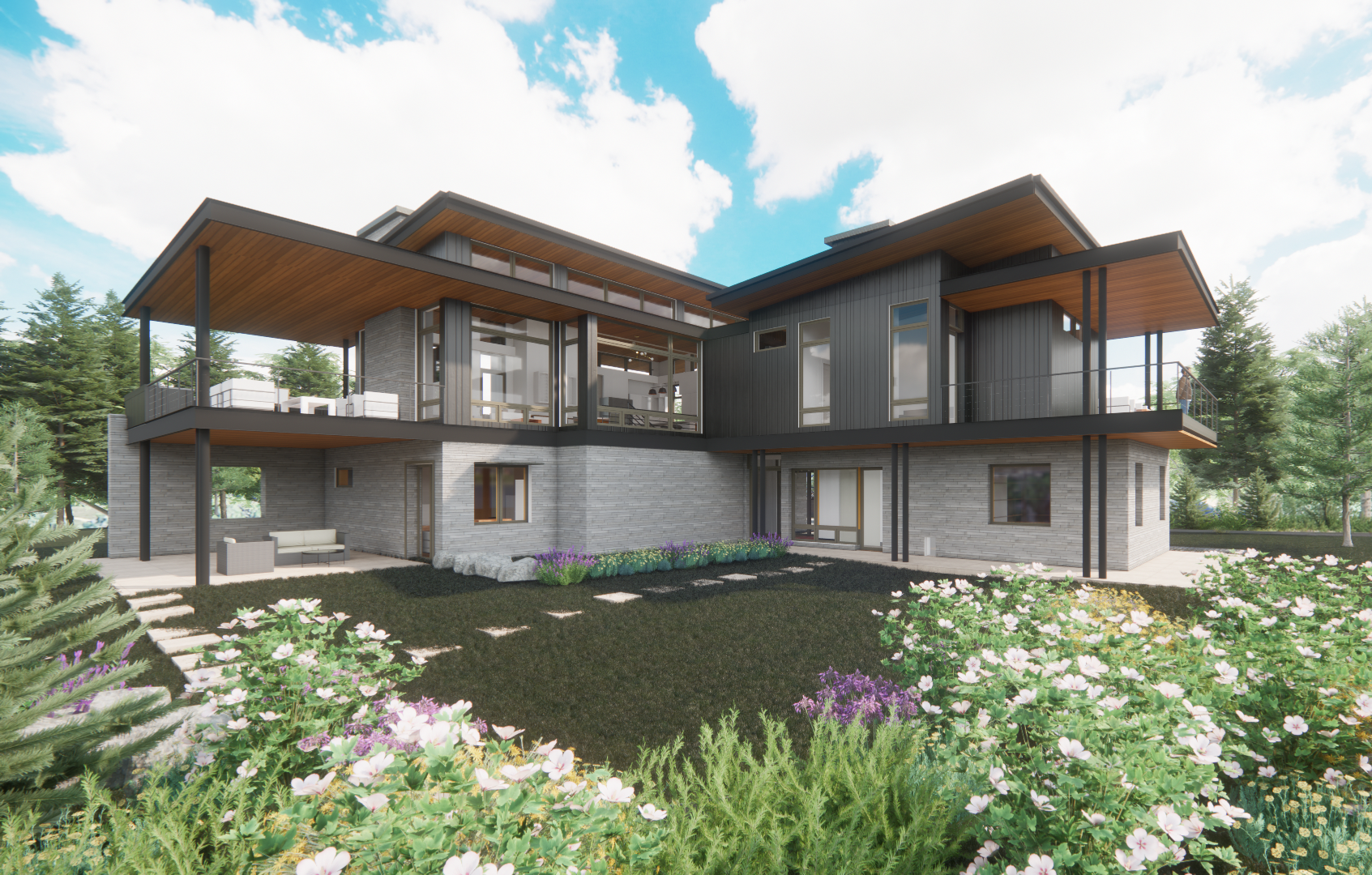
Lake Shore | Designed as future "forever" home
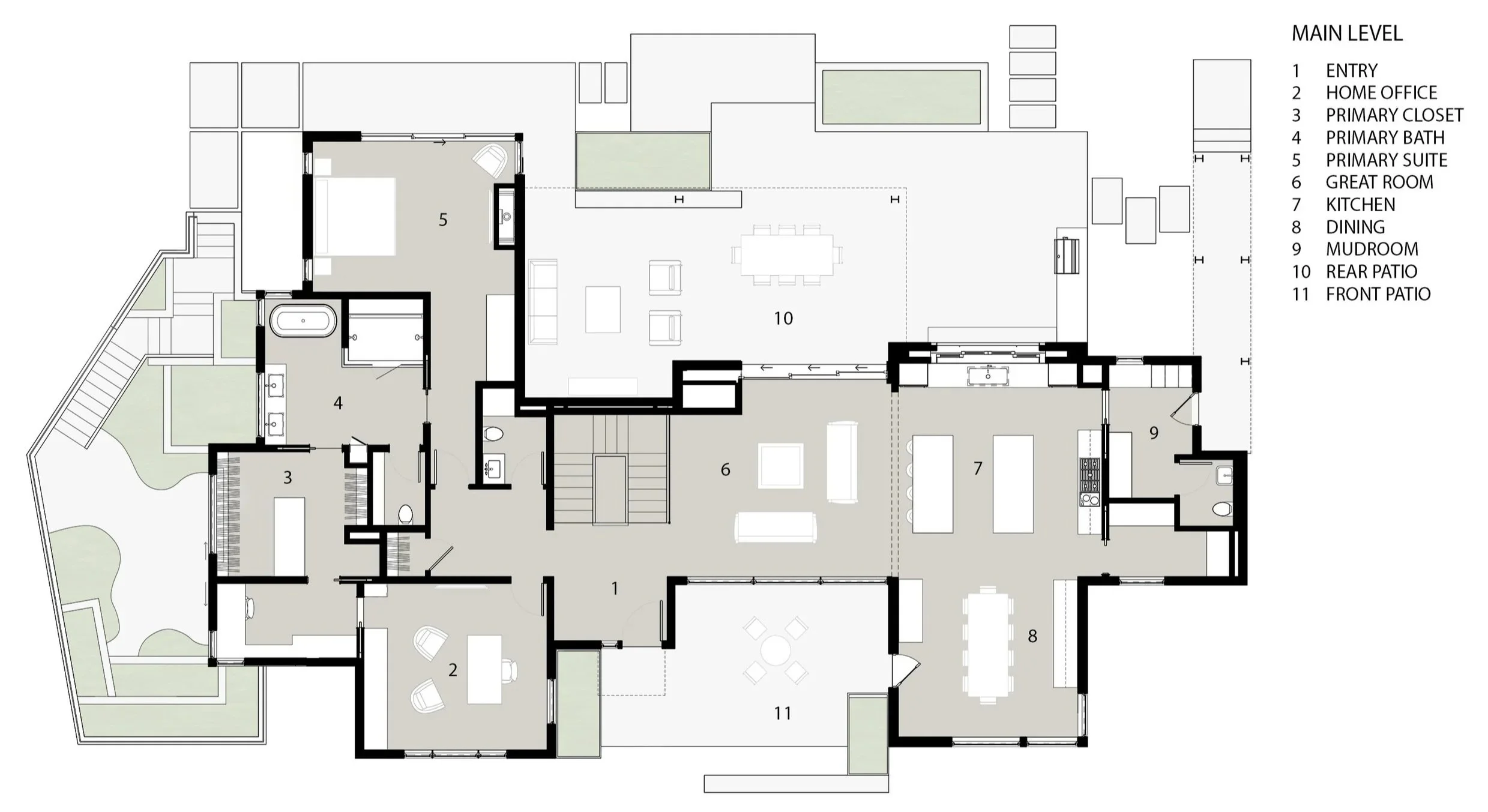
Gem House | Main-Level Living
1. Redefining Main-Level Living + The Upside-Down Layout
In many of our single-family custom home projects, we’ve pivoted toward layouts that prioritize long-term mobility without sacrificing luxury:
Main-Level Primary Suites (As shown above): This allows secondary bedrooms to remain upstairs or in the basement for guests and growing families, often eliminating the need for an elevator.
Single-Level Vitality: The "upside-down" model places living, cooking, and the primary suite on one level, accessed by a main stair and a residential elevator. For example, Tranquil Horizons utilizes this layout to take advantage of views.
Future-Ready Shafts: Even if an elevator isn't needed now, we can design stacked "storage closets" that can be converted into a working elevator later without a major structural overhaul.
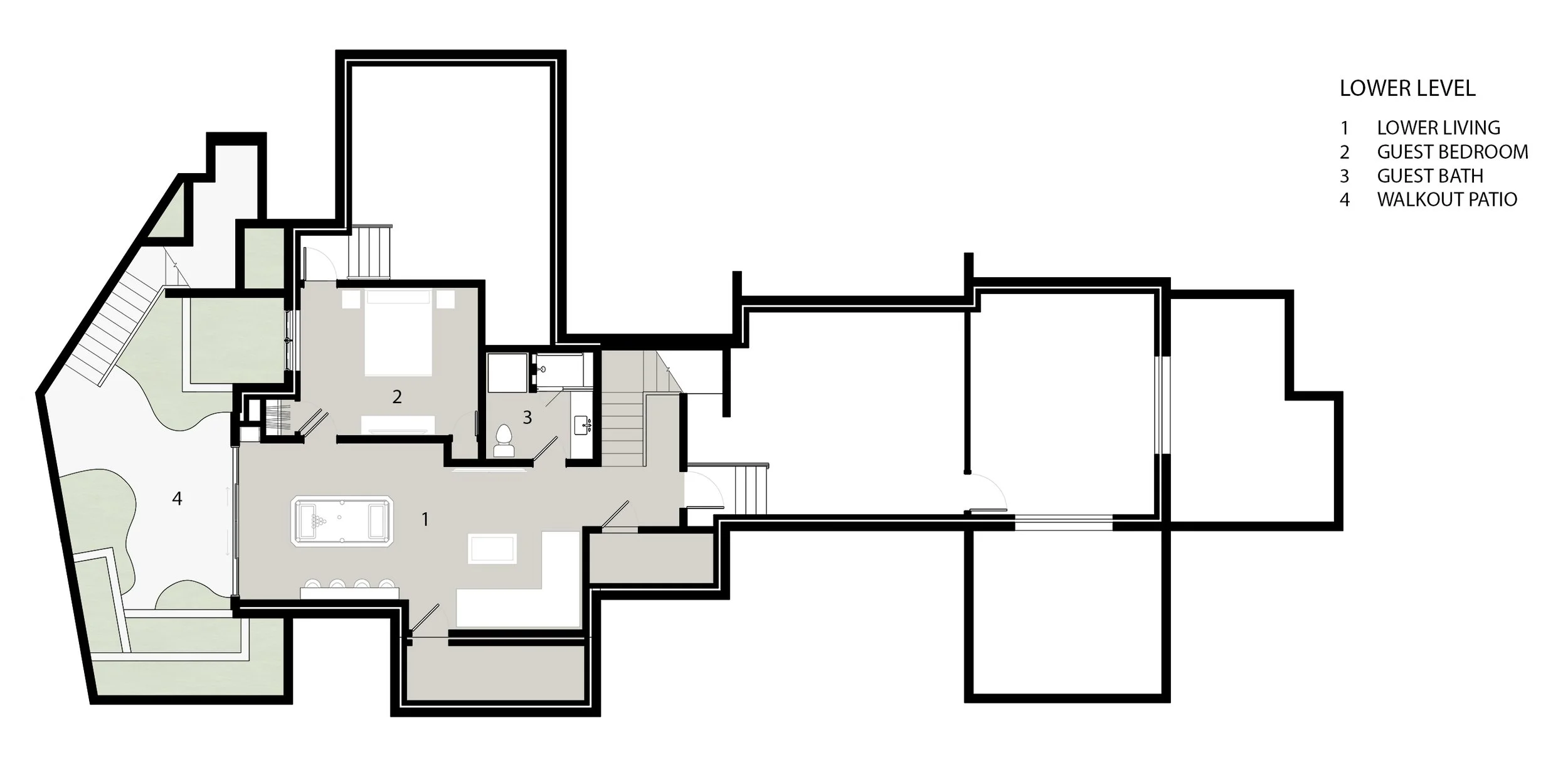
Gem House | Care-Ready Guest Suite
2. Multigenerational Layouts + ADUs
True flexibility means planning for the possibility of live-in care or aging family members:
Ground-Level ADUs or Guest Suites: These have become more popular as a way to care for elderly family members with future flexibility as the family ages.
The Care-Ready Guest Suite (As shown above): Designing a guest suite with a kitchenette, living area, and sleeping quarters creates a dignified space for in-home care, keeping you or loved ones out of a care facility for as long as possible.
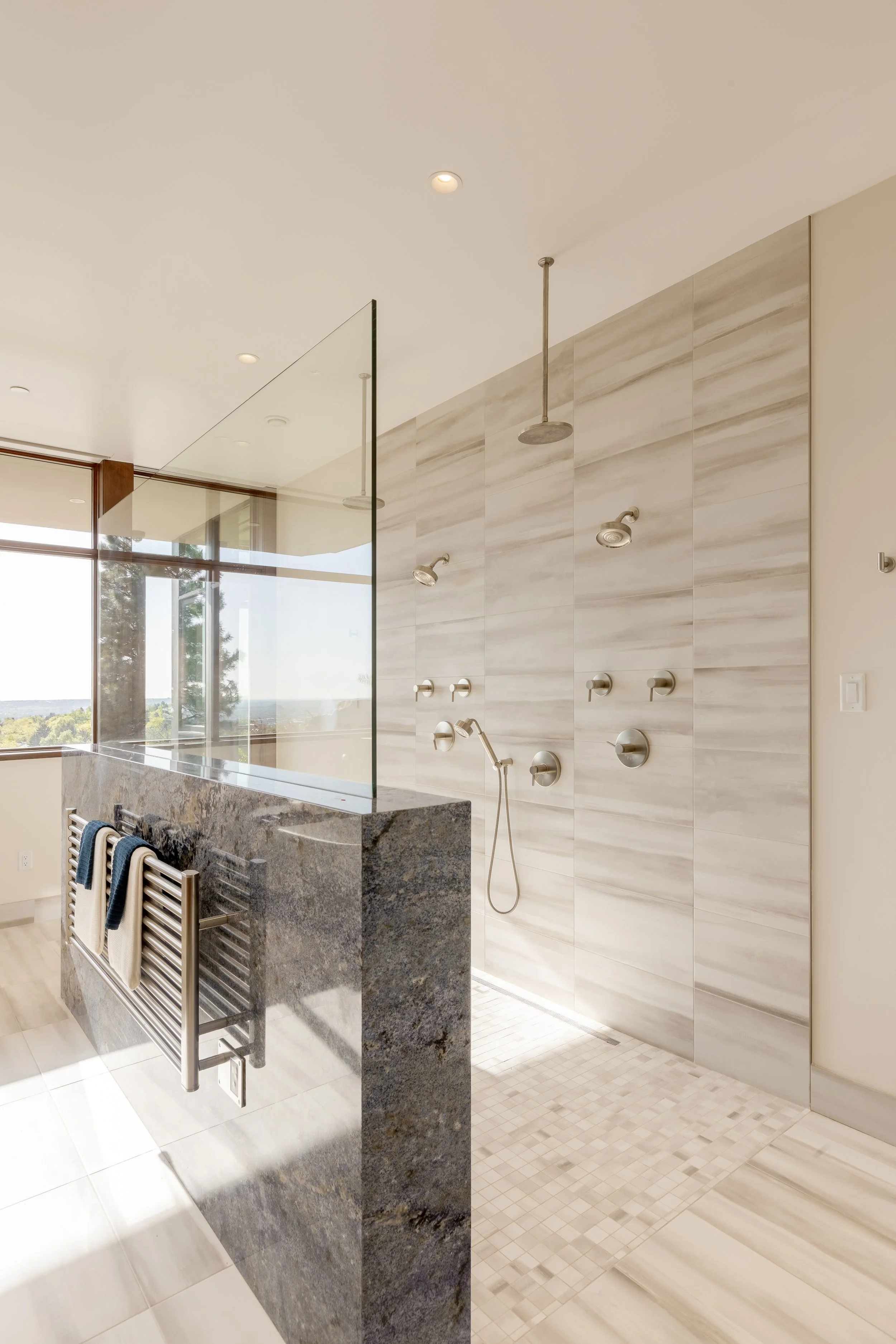
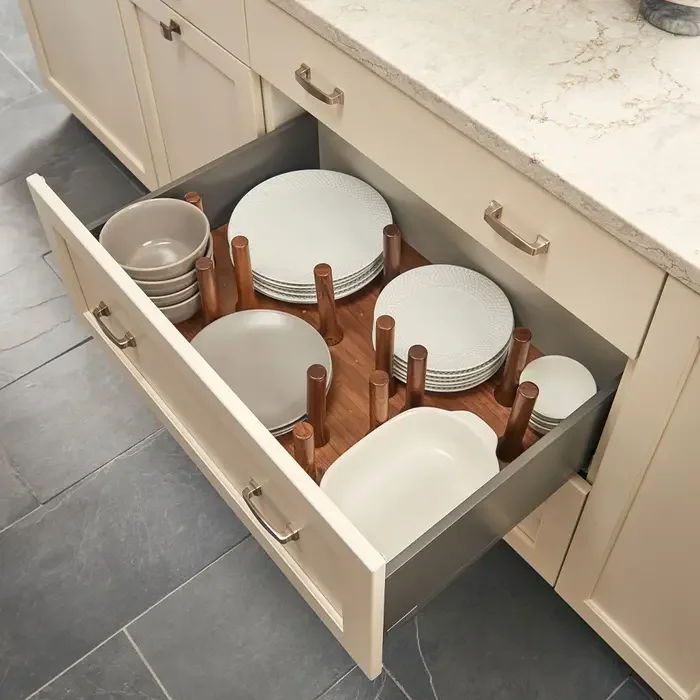
Terra Nova | Seamless Transition | Rev-A-Shelf | Dowel Drawer Peg Organizer
3. The Beauty of "Invisible" Access
Great architecture is felt, not just seen. Aging in Place design blends accessibility standards into the home's aesthetic in ways that compliment everyday living:
Seamless Transitions: We use true zero-threshold transitions from interior to exterior and roll-in shower designs. Pocket doors further maximize floor space by eliminating door swings.
Kitchen Ergonomics: Swapping base cabinets for deep pull-out drawers and installing appliances at countertop level reduces "far reaches" and improves safety. Integrating varied countertop heights with open knee clearance provides additional flexibility in the Kitchen.
Behind-the-Wall Prep: We design bathrooms with internal "blocking" in the walls. This allows for the easy installation of grab bars when they become necessary.
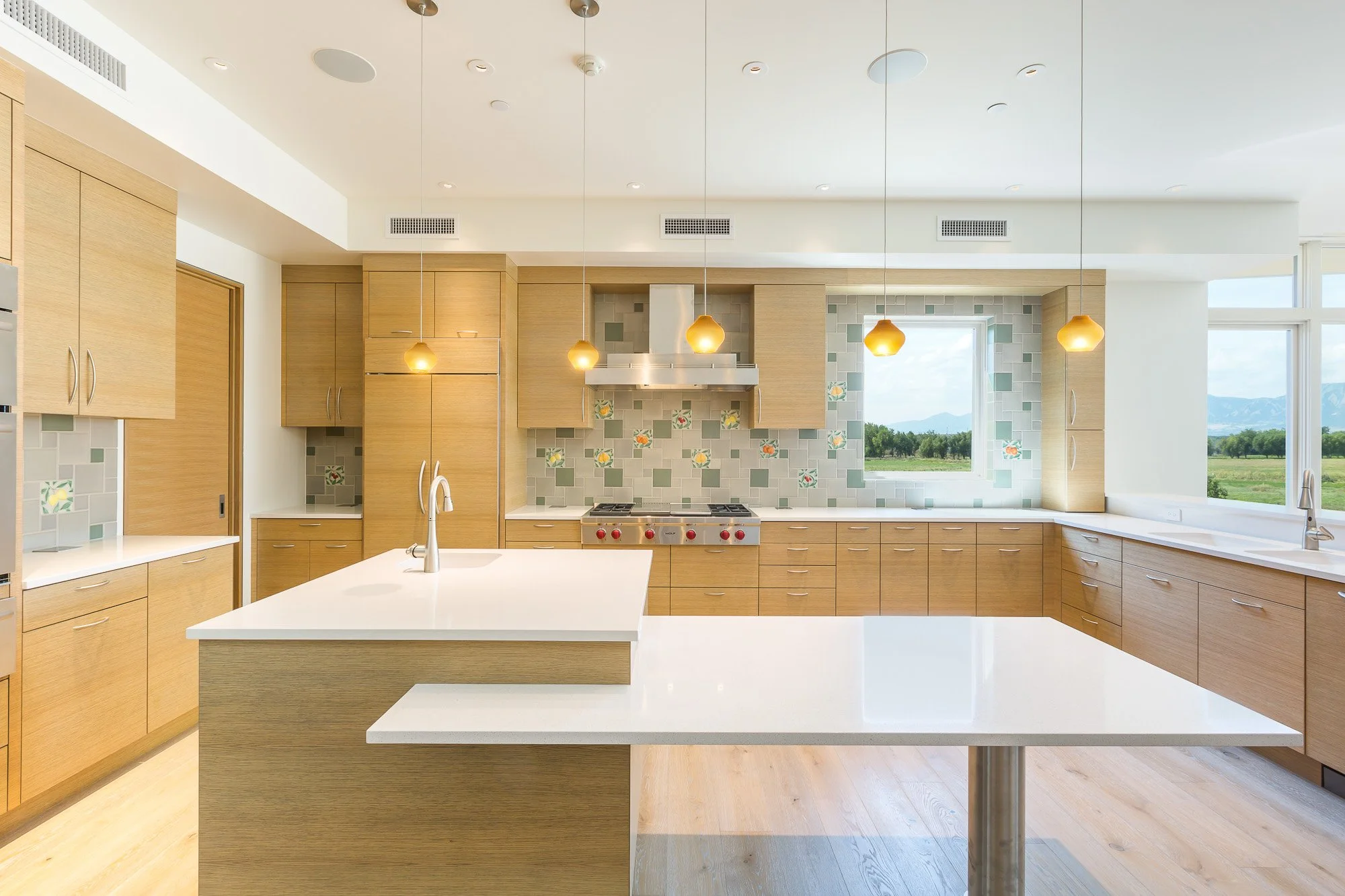
Jay Road Farm | Kitchen Ergonomics
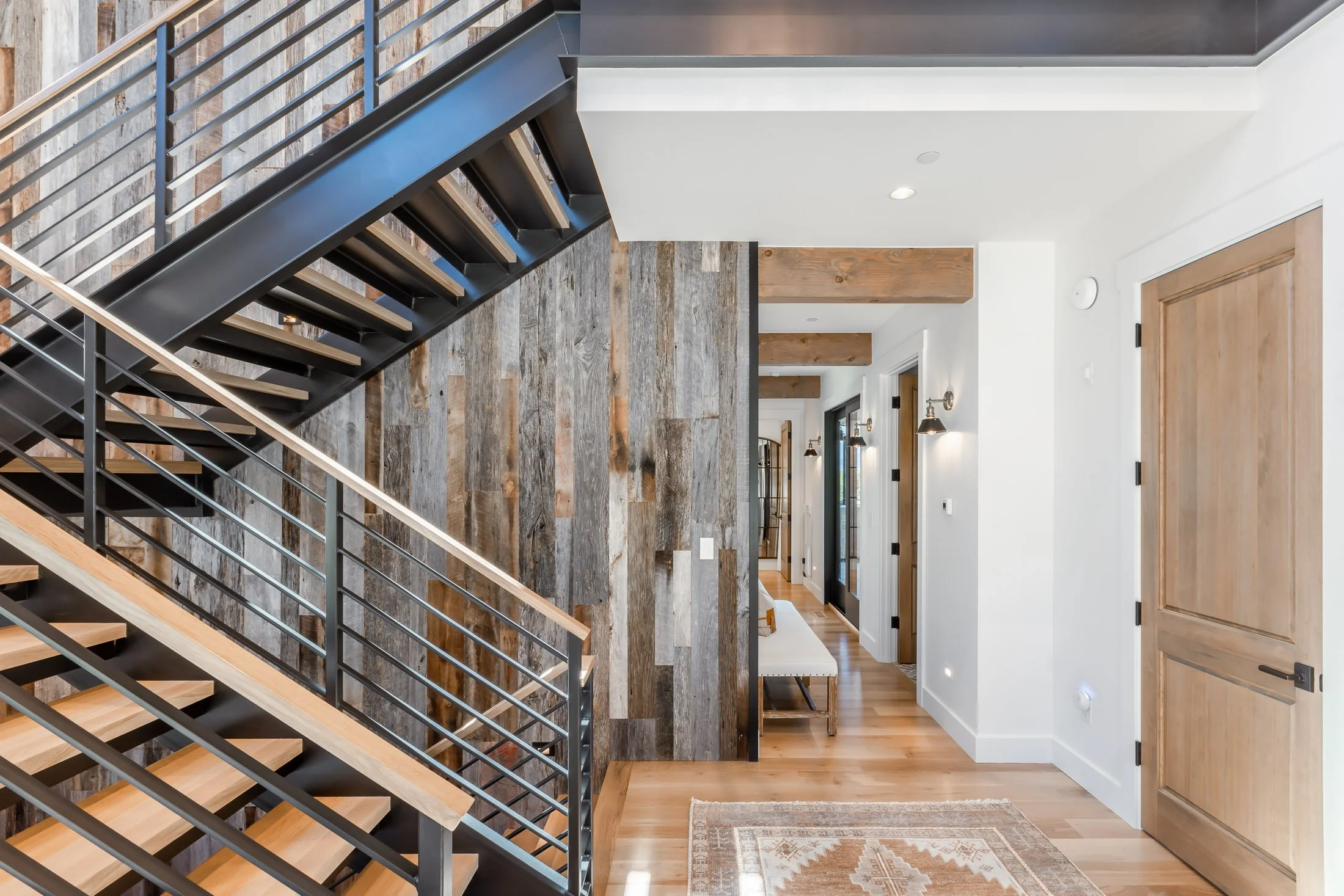
Front Range Farmhouse | Layered Lighting + Intuitive Hardware
4. Technology as a Safety Layer
A final layer and key component to future-proofing homes is technology. Smart tech isn't just about gadgets; it’s about peace of mind:
Path Lighting: Motion-sensor lighting and rocker switches ensure safe navigation at night and easy functionality when turning lights on and off.
Remote Management: Smart doorbells, thermostats, and lighting allow for easy home management as mobility changes.
Intuitive Hardware: Lever-style door handles and smart hardware at key entry points into the home have become a standard across our longevity-focused projects.
Built to Last, Designed to Evolve
Integrating these features early in the design process ensures that your home adapts to you, rather than forcing you to adapt to it. At Sopher Sparn Architects, we believe that a true luxury home should be as resilient as it is beautiful. By planning for "invisible accessibility" today, we protect the longevity of your investment and the quality of your lifestyle for decades to come.
How can we help you future-proof your next project? Whether you are starting a new build or looking to integrate some of these concepts into an existing home, we’d love to help you navigate the possibilities. Reach out to us at info@sophersparn.com, we’d love to learn more about your vision.